
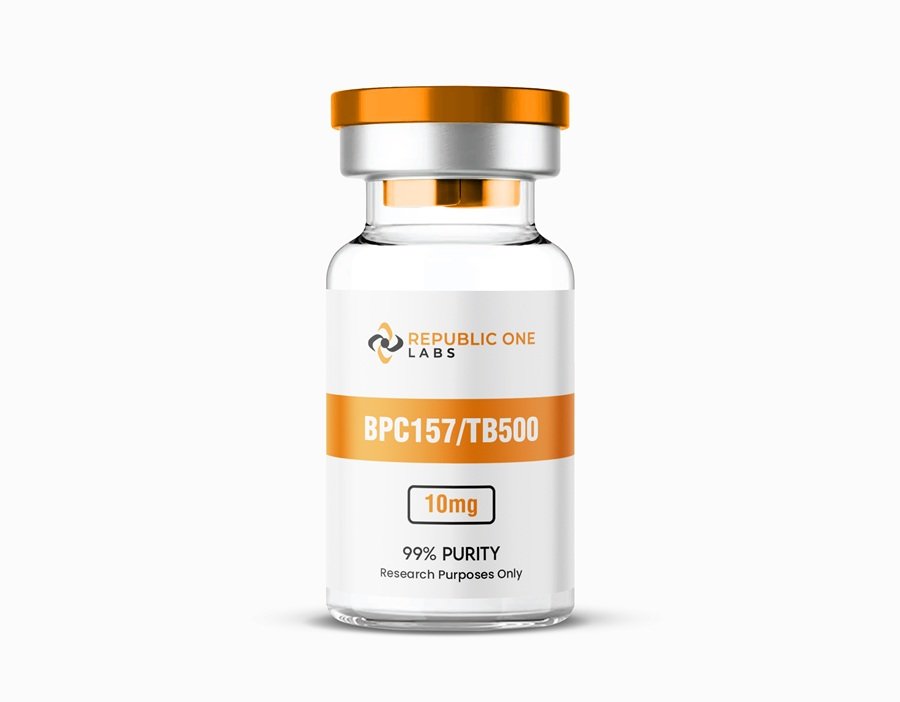
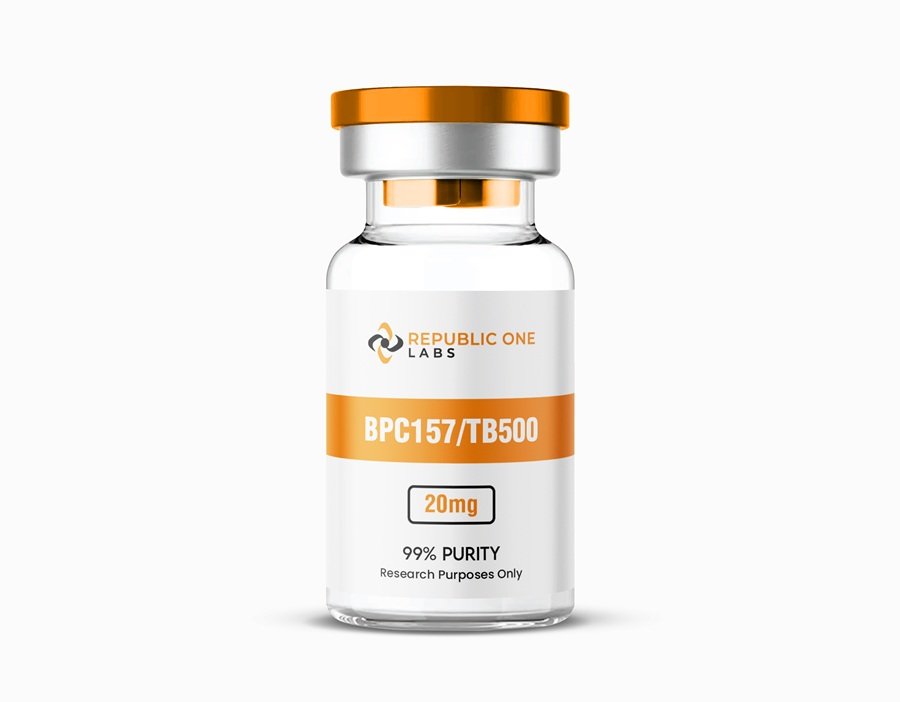
Peptide Descriptions
- BPC-157 Peptide: A synthetic 15-amino acid peptide derived from gastric juice. Research suggests it may engage with cellular communication routes to assist in the healing of joints, tendons, muscles, and nerve tissues. It may also encourage blood vessel formation (angiogenesis) and regulate inflammation.
- TB-500 Peptide: A synthetic version of the naturally occurring Thymosin Beta-4 (Tβ4). It is composed of 43 amino acids and is believed to modulate cell movement and tissue healing. Research focuses on its potential for wound healing, hair growth, and recovery from neurological or cardiac injuries.
Mechanism of Action
- TB-500: Operates by regulating the cellular actin-cytoskeleton and enhancing cellular motility, particularly through the amino acid segment [LKKTETQ]. It may also exert anti-inflammatory effects by amplifying microRNA-146a.
- BPC-157: May influence nitric oxide production and growth factors like early growth response 1 gene to foster collagen formation and new circulatory routes.
- Combination: The blend is designed to maximize the pharmacological potential of both peptides, potentially increasing the rate of recovery compared to using either peptide alone.
Chemical Makeup
- BPC-157: Molecular Formula: C62H98N16O22 | Molecular Weight: 1419.5 g/mol
- TB-500: Molecular Formula: C212H350N56O78S | Molecular Weight: 4963 g/mol
Research Findings
- Tissue Repair: Studies on Tβ4 showed up to a 41% increase in re-epithelialization in murine models. BPC-157 studies noted significantly higher collagen and blood vessel formation.
- Ligaments & Muscle: TB-500 has been shown to improve the mechanical properties of regenerating ligaments. BPC-157 has demonstrated the ability to promote tendon fibroblast outgrowth and restore function to injured muscle complexes, even those impaired by corticosteroids.
Note: These products are sold by Republic One Labs for research and laboratory purposes only and are not intended for human consumption.
Reviews
There are no reviews yet.