
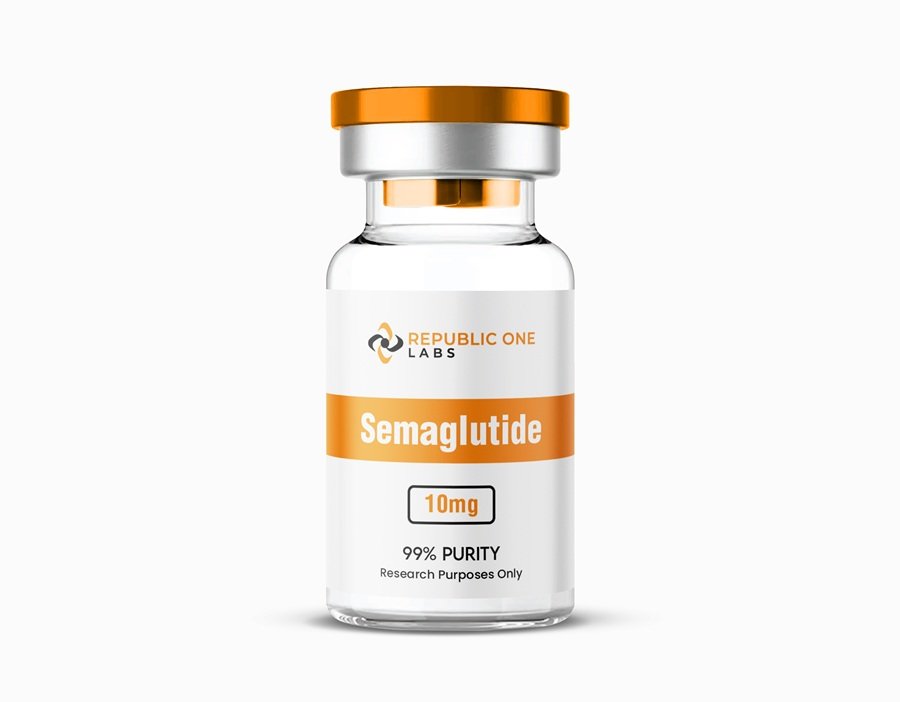
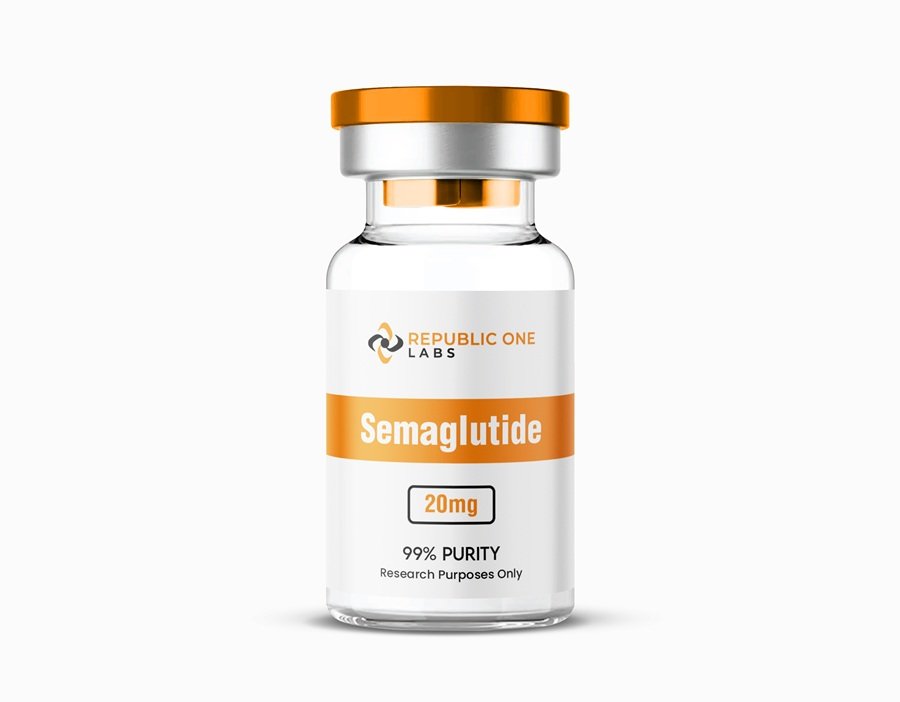
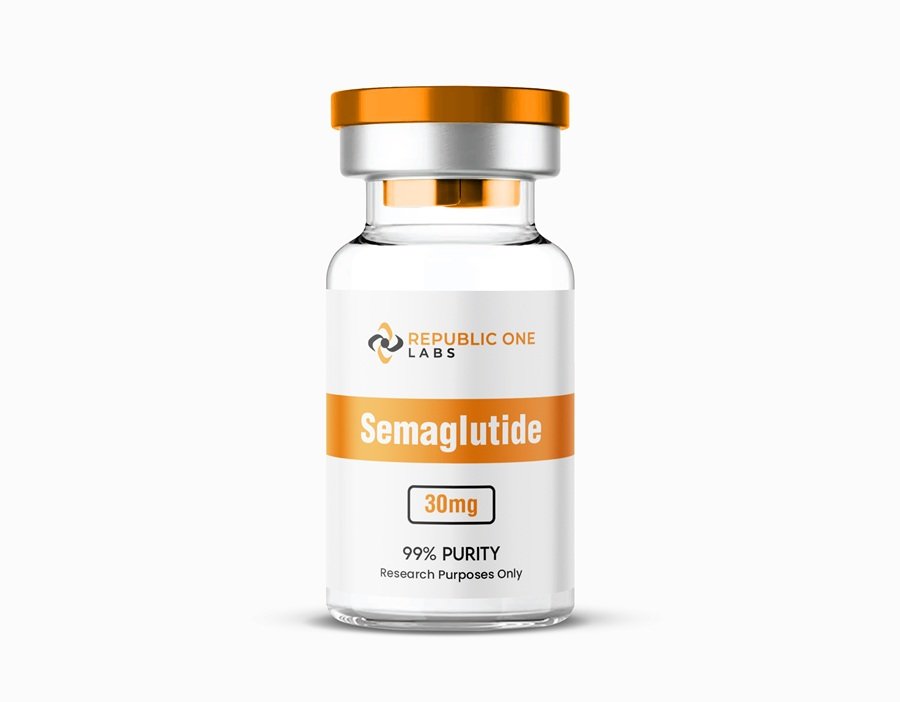
Semaglutide Peptide Overview
Semaglutide is a synthetic analogue of the human Glucagon-Like Peptide-1 (GLP-1). It acts as a GLP-1 receptor agonist. To improve its stability and extend its half-life (allowing for once-weekly administration in clinical settings), the peptide structure is modified with two amino acid substitutions (Aib at position 8 and Arginine at position 34) and the attachment of a C-18 fatty diacid chain to Lysine-26.
Mechanism of Action
Research suggests Semaglutide mimics the functions of the native GLP-1 hormone through several pathways:
- Insulin Secretion: It binds to GLP-1 receptors in the pancreas, stimulating the release of insulin from beta cells in a glucose-dependent manner (only when blood sugar is high).
- Glucagon Suppression: It inhibits the secretion of glucagon from alpha cells, reducing the liver’s glucose production.
- Gastric Emptying: It significantly slows down the rate at which the stomach empties, leading to a prolonged sensation of fullness.
- Appetite Regulation: It crosses the blood-brain barrier to interact with the hypothalamus, effectively reducing hunger signals and cravings.
Chemical Makeup
- Molecular Formula: C187H291N45O59
- Molecular Weight: 4113.58 g/mol
- Sequence Modifications: [Aib8, Arg34]-GLP-1-(7-37) w/ C18 fatty acid chain at Lys26.
- CAS Number: 910463-68-2
Research and Clinical Studies
- Type 2 Diabetes: Extensive studies demonstrate its ability to significantly lower HbA1c levels and improve overall glycemic control compared to placebo and other antidiabetic agents.
- Weight Management: In the STEP clinical trials, subjects administered Semaglutide achieved substantial weight loss (often 15% or more of body weight) due to reduced caloric intake and altered food preference.
- Cardiovascular Health: Research indicates potential benefits in reducing the risk of major adverse cardiovascular events (MACE), such as stroke and heart attack, in subjects with type 2 diabetes and established cardiovascular disease.
- Neuroprotection: Emerging research in animal models suggests potential neuroprotective effects, leading to investigations into its utility for neurodegenerative conditions like Alzheimer’s and Parkinson’s disease.
Note: This product is sold by Republic One Labs for research and laboratory purposes only and is not intended for human consumption.
Reviews
There are no reviews yet.